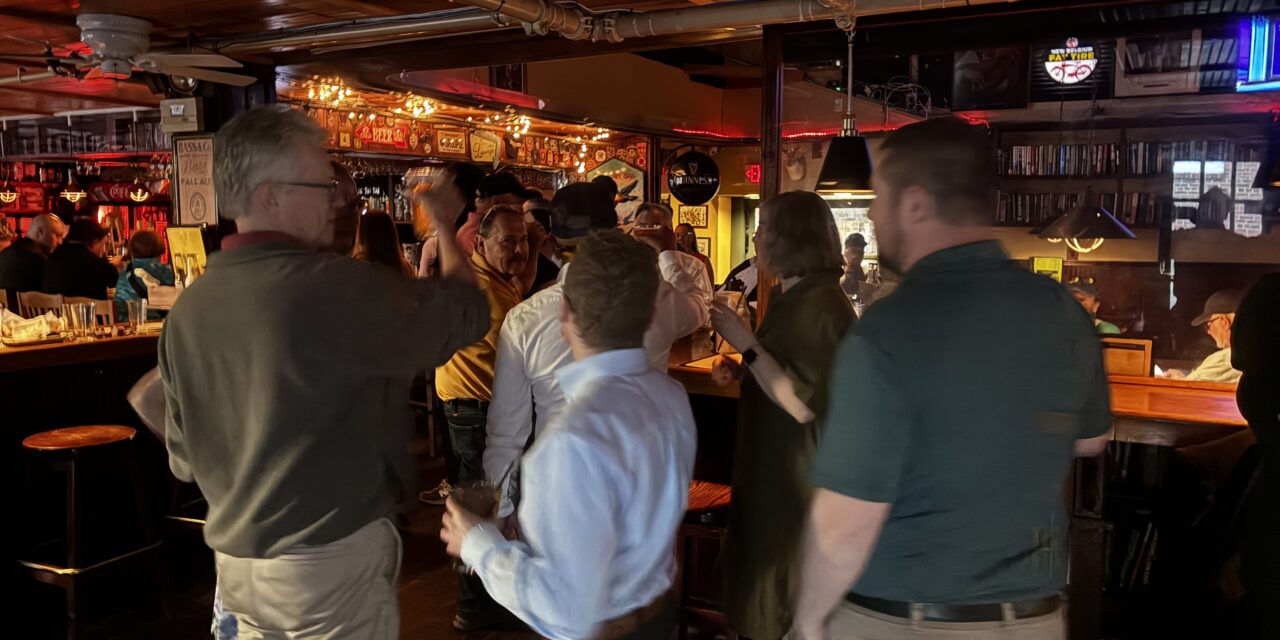
All nine Democratic Aldermen gather at Strange Brew to toast their success, Tax Cap supporters rally before meeting
Photo above: Aldermen Bryce Kaw-uh, Jason Bonilla, Christine Fajardo and Bill Barry toast their success.
MANCHESTER, NH June 10,2026–Following a contentious special meeting at which the Manchester Board of Mayor and Aldermen passed the largest tax hike in 20 years, all nine of the Democratic aldermen gathered at the Strange Brew Tavern to toast their success. Girard at Large photographed the gathering because it violated the state’s Right to Know law, which prohibits a quorum of elected officials from any gathering without public notice or an agenda. In addition to their gathering being a quorum of the full board, it also created quorums for several board subcommittees.

Kaw-uh on the move away from the camera
When asked by Ward 5 Alderman Jason Bonilla why pictures were being taken, we explained that it was a violation of the Right to Know law, which Bonilla, a former school board member, eventually acknowledged.
Ward 1 Alderman Bryce Kaw-uh asked whether or not we had ever “had a drink after a long and trying day?” The answer was “Yes, but not with quorum of a public body to which I was elected.” After initially inviting Girard at Large to take pictures of the group, Kaw-uh quickly declined to have a selfie and tried to escape being photographed following that answer.
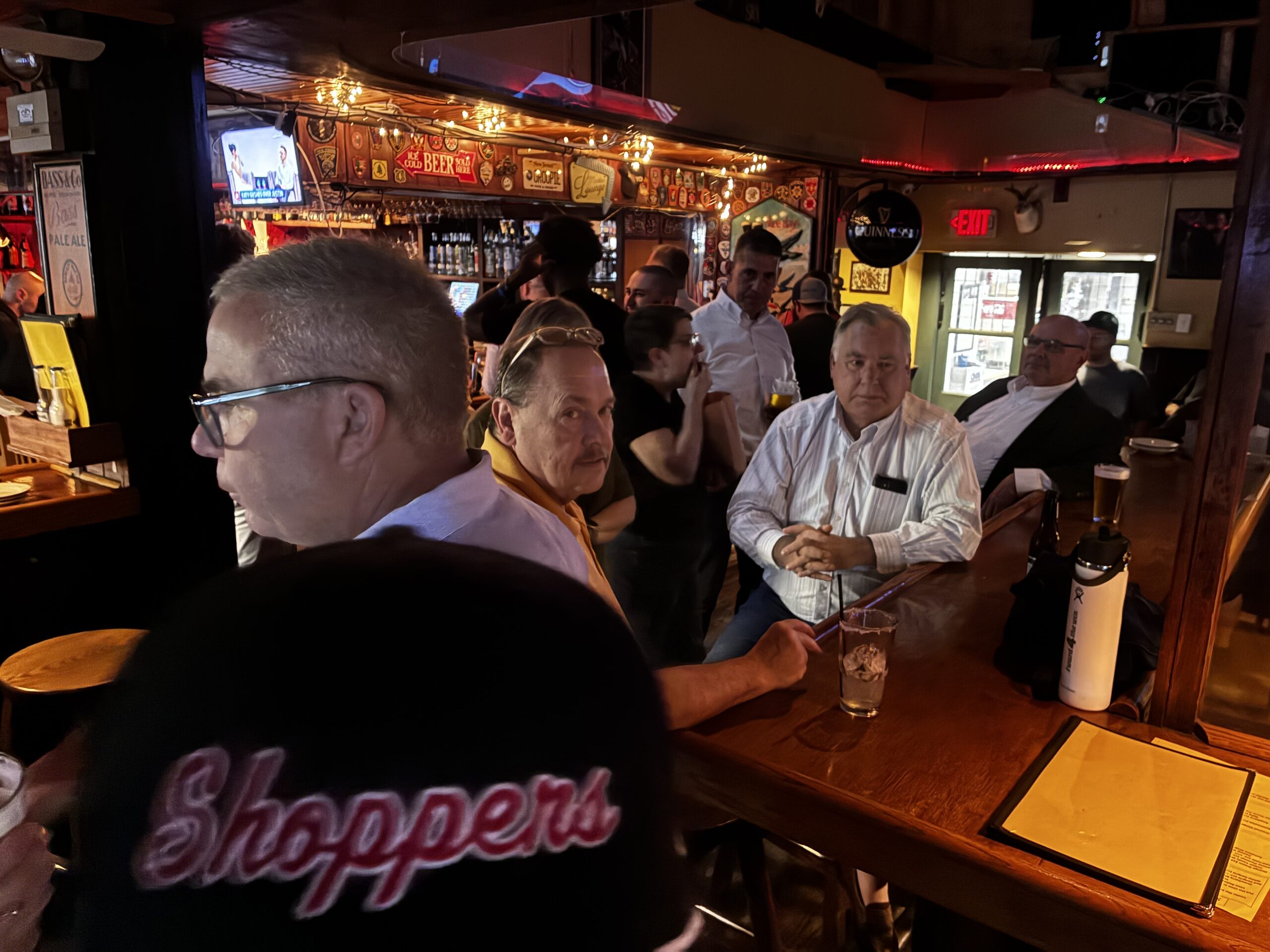
In this picture: Alderman Jim Burkush, School Board member Gary Hamer, aldermen Bill Barry, June Trisciani, Dan Goonan and Dan O’Neil and the hat of Jason Bonilla.
Prior to their celebration, the nine Democrats were joined by Republican aldermen Norm Vincent (Ward 11) and Kelly Thomas (Ward 12) in their vote to override the city’s popular tax cap, to property taxes by an unprecedented $18,933,784. In raw tax dollars raised, that’s a 7% increase, more than double the amount allowed by the cap which, this year, enabled an increase of just 3%, or $8,094,468.
Spending increased by $11,980,772.
Dems played games with the tax rate
Ward 8 Republican Alderman Ed Sapienza asked Ward 9 Aldermen Jim Burkush if he knew what the impact of the Democratic budget would be on the tax rate. “No,” said Burkush, “we built our budget, following the mayor’s budget, we built our budget on the anticipated revenue (from the revaluation).”
Sapienza then turned to Finance Director Sharon Wickens, who had earlier told the board the tax rate would decrease because the Democrat budget added $5.6 billion to the tax base. She said that if the current tax base was used, the tax rate increase would be 6.96% and that if the net increase in new construction valued allowed by the cap and used in the Sapienza-Kantor budgets was applied, the increase would be 6.51%. *See explanation below.
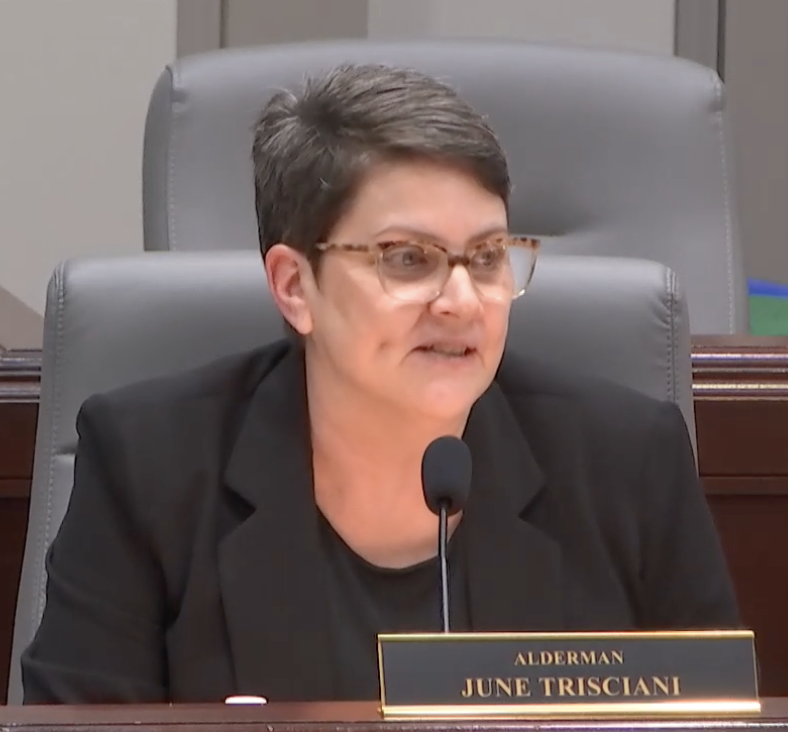
Trisciani: These are not the tax rates you’re looking for
Following that answer, at-Large Alderman June Trisciani, who, along with Burkush, spearheaded the development of this budget, said that no tax rate comparisons could be made, chiding those making them, saying:
On the percentage, I think it’s important to clarify that, today, nobody knows what this percentage is. We’re all making an estimated guess. As I said, we can compare apples to apples with the mayor’s budget. If we were to add the valuation, and this is something that will happen overtime, and the reality of budgeting in the process in the state of New Hampshire is we’re not gonna have a percentage until the DRA actually, you know, the county sets their budget and the DRA comes out and tells us what that percentage is, which won’t be until the October-November timeframe. With the revaluation this percentage could go down. But, again, nobody can be spouting percentages and know what the percentages are gonna be until the DRA makes the final decision in the fall.
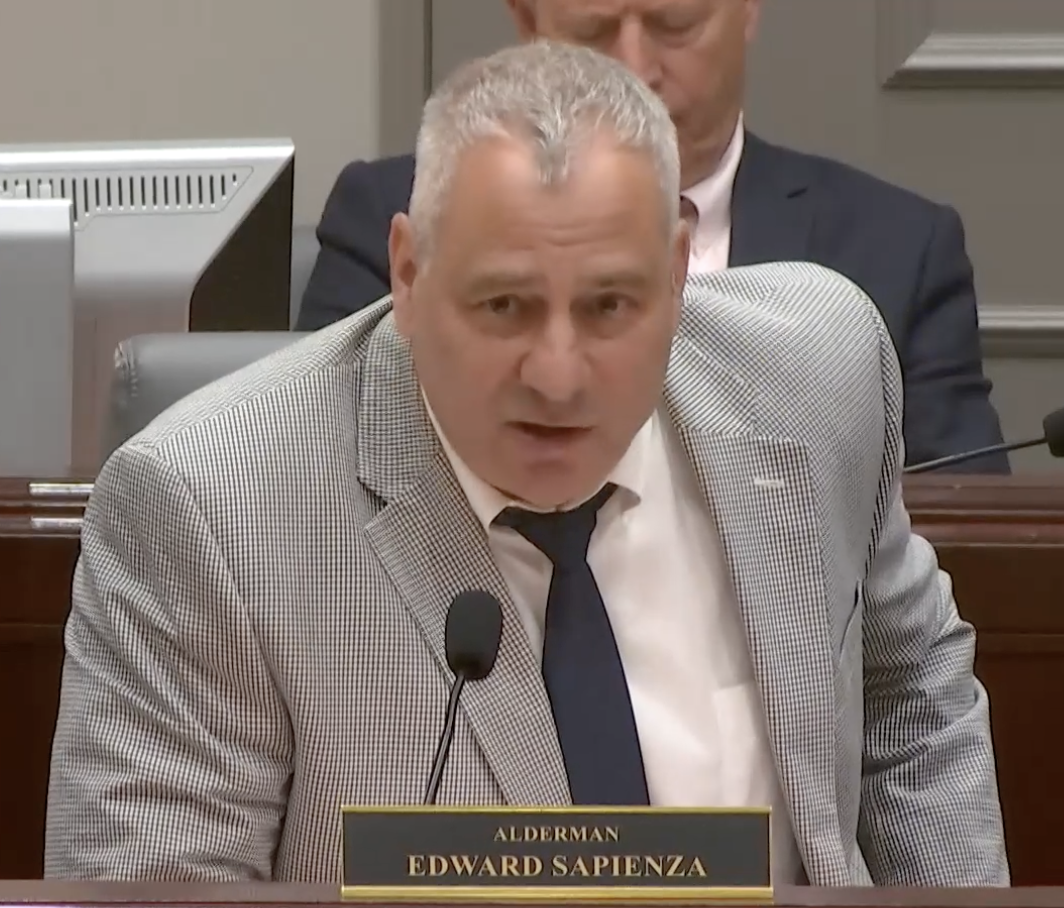
Sapienza: On the offensive to protect the tax cap
While it is true that the NH Department of Revenue Administration (DRA) officially sets tax rates for communities across the state, it is also true that communities, including Manchester, estimate that what the tax rate will be, based on their appropriated expenses and projected non-tax revenues. DRA verifies the numbers and reviews revenue projections to act as a check and balance on local communities. Trisciani stating that the revaluation could cause the percentage to go down is misleading because the revaluation will neither negate this budget’s substantial increase in property taxes, nor prevent an accurate comparison with the current rate. The fact is, this budget increased taxes by 7% and everybody knows that the revaluation will lower the tax rate despite the tax hike. *See explanation below.
At several points during the discussion, Sapienza railed against the use of the revaluation in the budgets, arguing the revaluation wasn’t finished, had to go through the appeal and abatement process and the final value couldn’t be known. At one point he appealed to Ruais to not allow revaluation figures to be considered. Ruais said, “That’s at the discretion of the person presenting the budget.”
Two budgets shot down
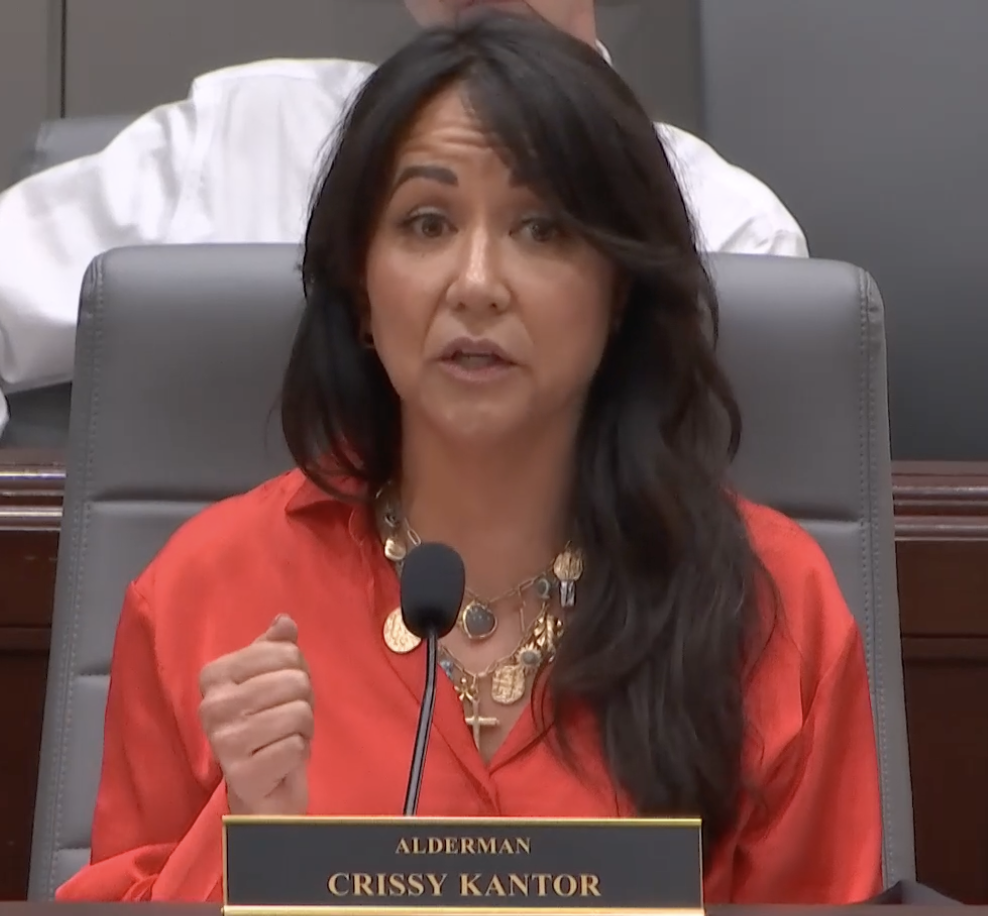
Kantor: Took on all comers
On a vote of 3 to 11, the board shot down the latest version of the tax cap compliant Sapienza-Kantor budget, which simply increased available revenue by adding approximately $1.152 million from a projected surplus in the current budget and $1.4 million from the addition of $58.2 million in new value from new construction over the prior 12 months, ending on March 31 to the mayor’s budget. They placed the total $2.552 million in the contingency account so the board could later decide how best to allocate it. Ward 7 Alderman Ross Terrio joined Sapienza and Kantor in voting for it, despite saying he believed it was a bad budget, because his constituents overwhelmingly asked him to vote for it.
Following that vote, Terrio presented a budget that raised taxes by $17,653,210 over the current budget and spending by $10,700,198 over the mayor’s budget. It failed on a 3 to 11 vote, with Vincent and Thomas voting in favor. The raw increase in new property taxes on this budget was 6.54%, more than double the 3% allowed by the tax cap.
As with the Democratic budget, the Terrio-Vincent-Thomas budget used a $5.6 billion increase in the tax base to hide the tax hike. Their budget sheet showed a tax rate decrease of 22.79%, which Wickens said could be more or less depending on how the revaluation changed the tax base. Sapienza demanded a comparison using the current tax base and was told by Wickens that it would be a 6.46% increase using the tax base in the mayor’s budget and a 6.07% increase if the added value used in the Sapienza-Kantor budget was applied. *See explanation below.
The Main Event
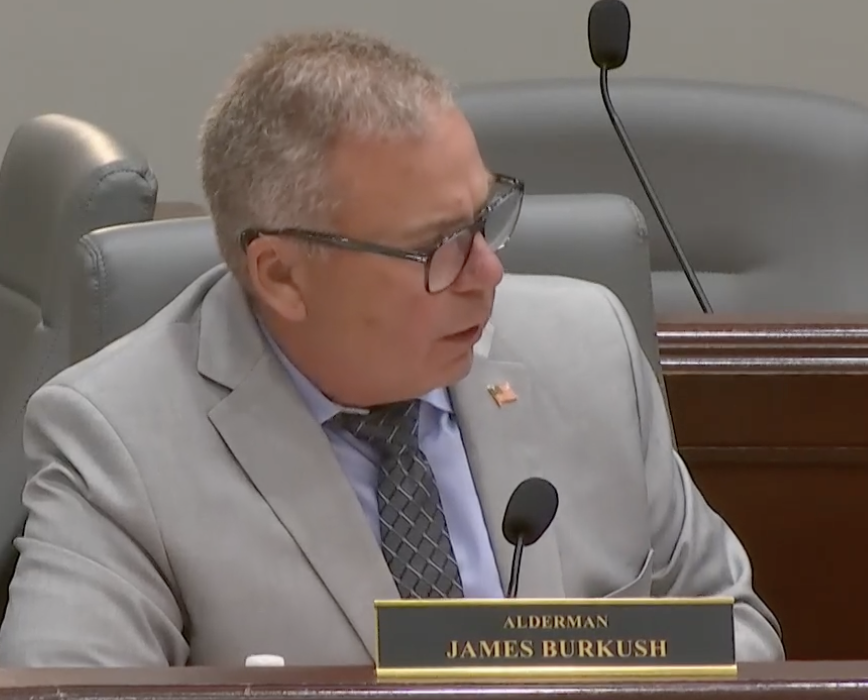
Burkush: Sets up budget with question to Ruais
Those budgets having been dispatched, the orchestrated votes needed to pass the Democrats’ budget went into play. Vincent opened with motioned to suspend the ordinance governing the use of surplus so that two-thirds could be applied to the tax rate. It passed with Kantor opposed.
In what appeared to be a choreographed question, Burkush then asked Mayor Jay Ruais if the city could operate under his budget. Ruais said it could not, stating that he didn’t know about the shortfalls in health or liability insurances; that the city’s bond rating could be jeopardized if it wiped out 40% of its health insurance reserves, which Ruais said would have to happen if funding wasn’t increased. He also said it couldn’t fund police raises.
In response to a question from Burkush about layoffs, Ruais said he expected there would be some, because of the across the board cuts his budget applied to almost every department.
Burkush said the Democrats’ budget “showed significant fiscal restraint” because it didn’t fund department priorities.
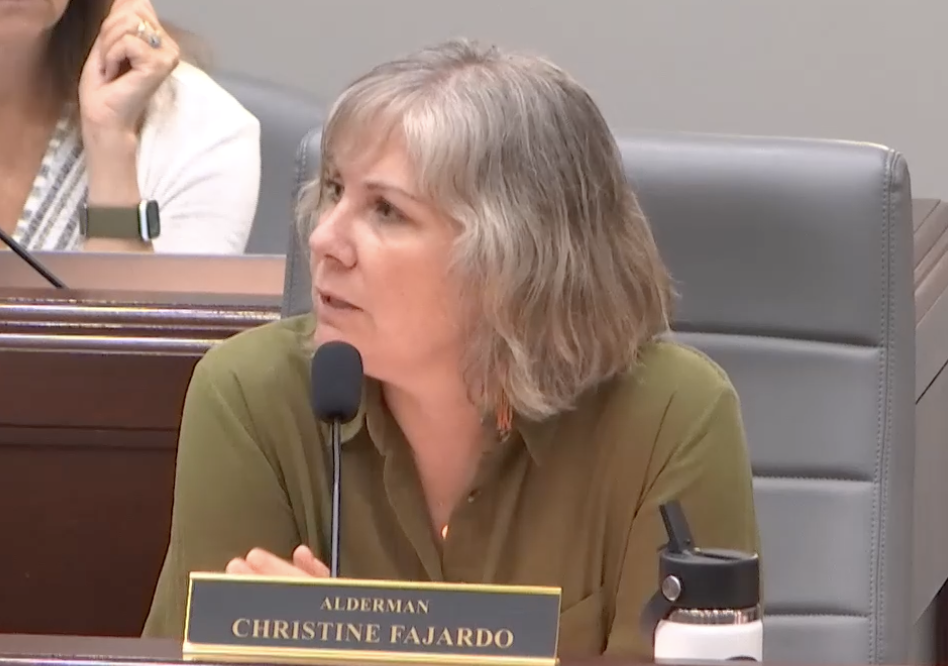
Fajardo: To respect the tax cap, you must spend all that can be spent.
Ward 4 Alderman Christine Fajardo renewed her criticism of the mayor for “not respecting the tax cap” in the prior two budgets because he didn’t max out the cap, asserting that had he not come in so far under the cap, the city wouldn’t be facing this crisis. Ruais agreed with her that each budget builds on the next under the tax cap, lending credibility to her argument, while maintaining that maxing out the tax cap in the prior years would not have avoided the current challenges, which he blamed not just on unknown expenses but also the loss of $10 million in non-tax revenues.
Those revenues losses were largely caused by the board allowing the school district to use emergency reserve funds as “one time” revenue to avoid spending cuts required by the tax cap and by using substantial one time revenues from permit fees on the city side, to also avoid cuts required by the tax cap. In other words, they created the revenue shortfall.
Ruais said that the police contracts would cost “several million dollars” and weren’t funded in his budget.
Ward 10 Alderman Bill Barry made the motion to override section 6.15 C of the city charter, to enable the use of funds from the revaluation to raise taxes. It passed with Kantor, Terrio and Sapienza opposed.
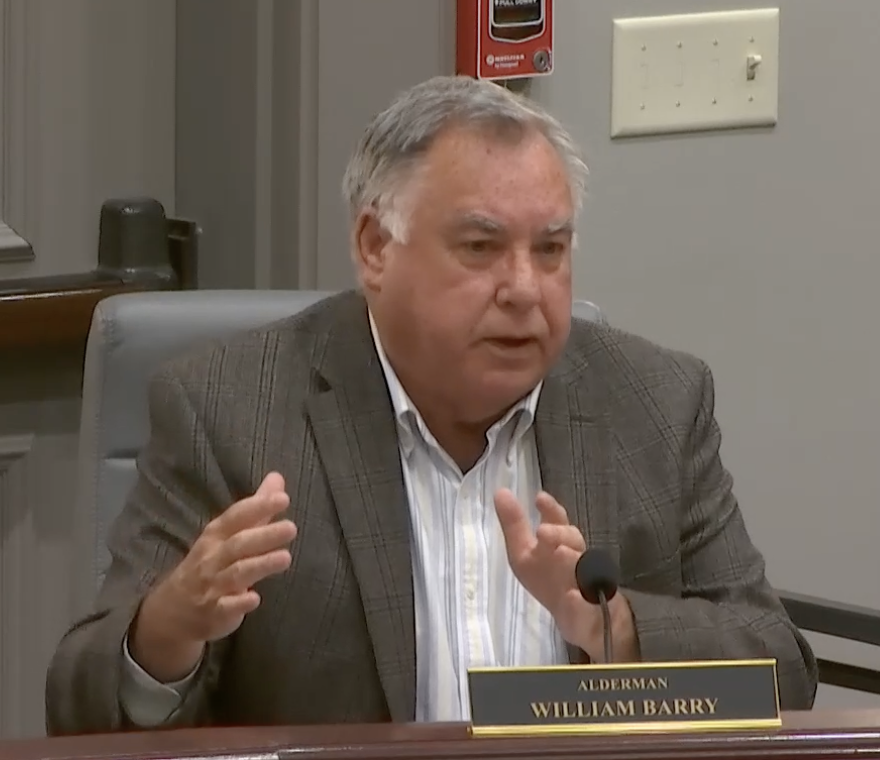
Barry: Override time.
Kaw-uh asked the mayor if he supported this budget. Ruais said “Yeah, so what I think I talked about earlier is that there have been five budgets that have been considered and failed.” Ruais went on to again chronicle the shortfalls in his budget and how its adoption would be bad for the city. Kaw-uh suggested that if he didn’t support it, he could veto the budget like he did two years ago to extend the deadline to the end of the month. Ruais said he didn’t think the added time would accomplish anything based on his discussions and that he would work with whatever budget the board adopted. Kaw-uh said it was unfortunate that the mayor wouldn’t take a position.
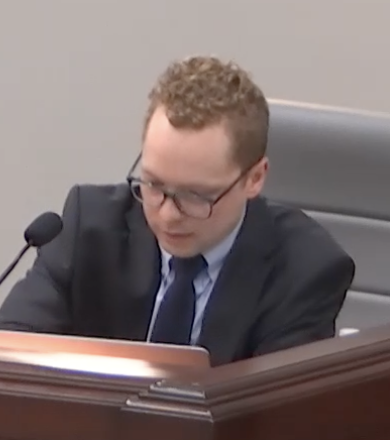
Kaw-uh: Presses mayor on budget
Sapienza told Ruais it was “disingenuous and wrong” to say that if his budget was adopted that there’s no money for police raises, reminding Ruais that he put money in his budget to fund those contracts and that allocations can be made to move money around in the budget if needed. “Do you want to continue to fund empty buses or police? Do you want to continue fund ARPA positions, or do you want to pay the police,” he asked. He chastised Ruais for his comments because negotiations were ongoing with the police unions and took aim at the proposed school spending increase, reminding the board that the school board moved $8.1 million from their facilities program to fund other line items in their budget. “Do they really need another $3.5 million on top of that,” he asked, giving them credit for “being honest about the shell game” they were playing. That $8.1 million will have to be replaced next year to make the debt payments on the Phase One facilities plan.
Barry then moved the question on the motion made by Burkush, seconded by Trisciani, to adopt the Democratic aldermen’s budget. It passed on a roll call vote with Kantor, Terrio and Sapienza opposed.
A motion to transfer over $370,000 from health department reserve funds and opioid abatement funds to the general fund was approved, leaving a budget hole that will need to be addressed next year. Kantor, Terrio, Sapienza and Thomas were opposed.
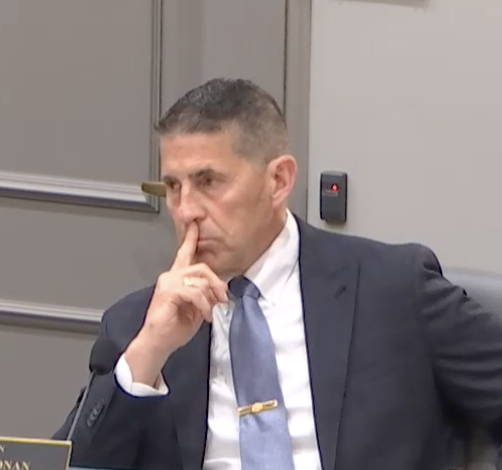
Goonan: Makes the motion to adopt, despite multiple promises to stay within tax cap
Ward 2 Alderman Dan Goonan, who gave tax cap supporters a “thumbs down” gesture as they rallied outside of City Hall before the meeting, moved to amend the budget resolution for the city part of the budget and ordain it. It passed with Kantor, Terrio and Sapienza opposed.
At-Large Alderman Dan O’Neil made the motion to adopt the increased school budget, which passed with Kantor, Terrio, Sapienza and Thomas opposed.
The tax hike numbers and how they were cooked
Because the Democrats used a massive projected increase in tax base from the revaluation, it is necessary to understand the basic math that enables an accurate and fair comparison of the current and projected tax rates. As with any comparison of numbers with different denominators, it is necessary to use a common denominator to compare the numbers.
The city’s current tax rate is $20.24. This number is determined by dividing the FY ’26 Municipal, County and Local Education tax warrants, totaling $250,189,502, by the FY ’26 tax base of $13,358,909,303 and multiplying by 1,000. That gives us a tax rate of $18.73. To that, we add the tax rate for the State Education property tax of $1.51/1,000, determined by dividing the $19,626112, collected for the State Education property tax, which the city doesn’t control, by the statewide property tax base of $12,982,280,203, which excludes utility property from the overall city base value.
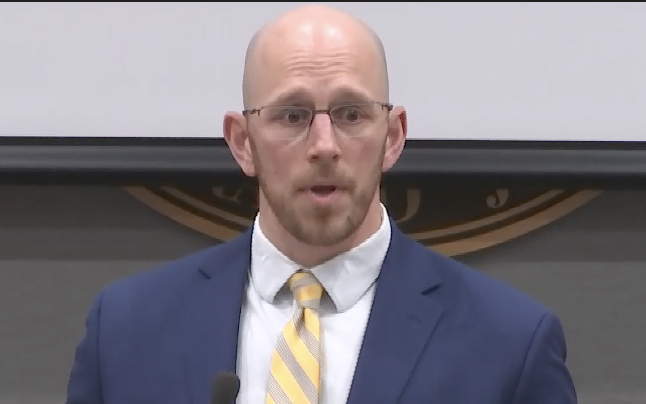
Ruais: Like a cat on a hot tin roof
The Democrats’ budget divides their Municipal, County and Local Education tax warrant of $269,169,372 by a projected tax base of $18,958,909,303 to produce a tax rate of $14.20. To that, we add the current statewide property tax rate of $1.51, which the Democrats used in their budget without adjustment for the revaluation, to get a total tax rate of $15.71. The Democrats subtracted the projected tax rate of $15.71 from current tax rate of $20.24 to claim a tax rate decrease of $4.53, or 22.44%, a number that Trisciani emphasized may be lower, depending on the revaluation.
Clearly, comparing a tax rate calculated on a much smaller tax base to a tax rate calculated on a much higher tax base is intended to mislead people into thinking their taxes, despite a nearly $19 million increase, will be going down. They won’t.
While Girard At Large has calculated the projected tax rate increase by dividing the current total tax warrant by the Democrats’ projected tax base, Wickens divided the projected tax warrants by the current tax base to project a tax rate increase of 6.96%. Either way works as the denominators are the same. Increasing the tax base by the $58.2 million in value to the tax base due to new construction, which is allowed by the tax cap, lowered the tax rate increase to 6.51% according to Wickens.
In prior articles detailing the projected tax increases of the various budgets proposed, Girard At Large projected tax increases of between 10.14% to 11.8%. In doing so, we erred by not adjusting our calculations to account for the tax base used to calculate the State Education tax rate. This caused our projections to skew high because of the magnitude of the projected increase used by the Democrats. We regret the error. Had we divided the projected FY ’27 tax warrant by the current tax base, our projections would have been closer as there would not have been such a profound difference in the tax base used to calculate the State Education tax rate and the overall city tax base.
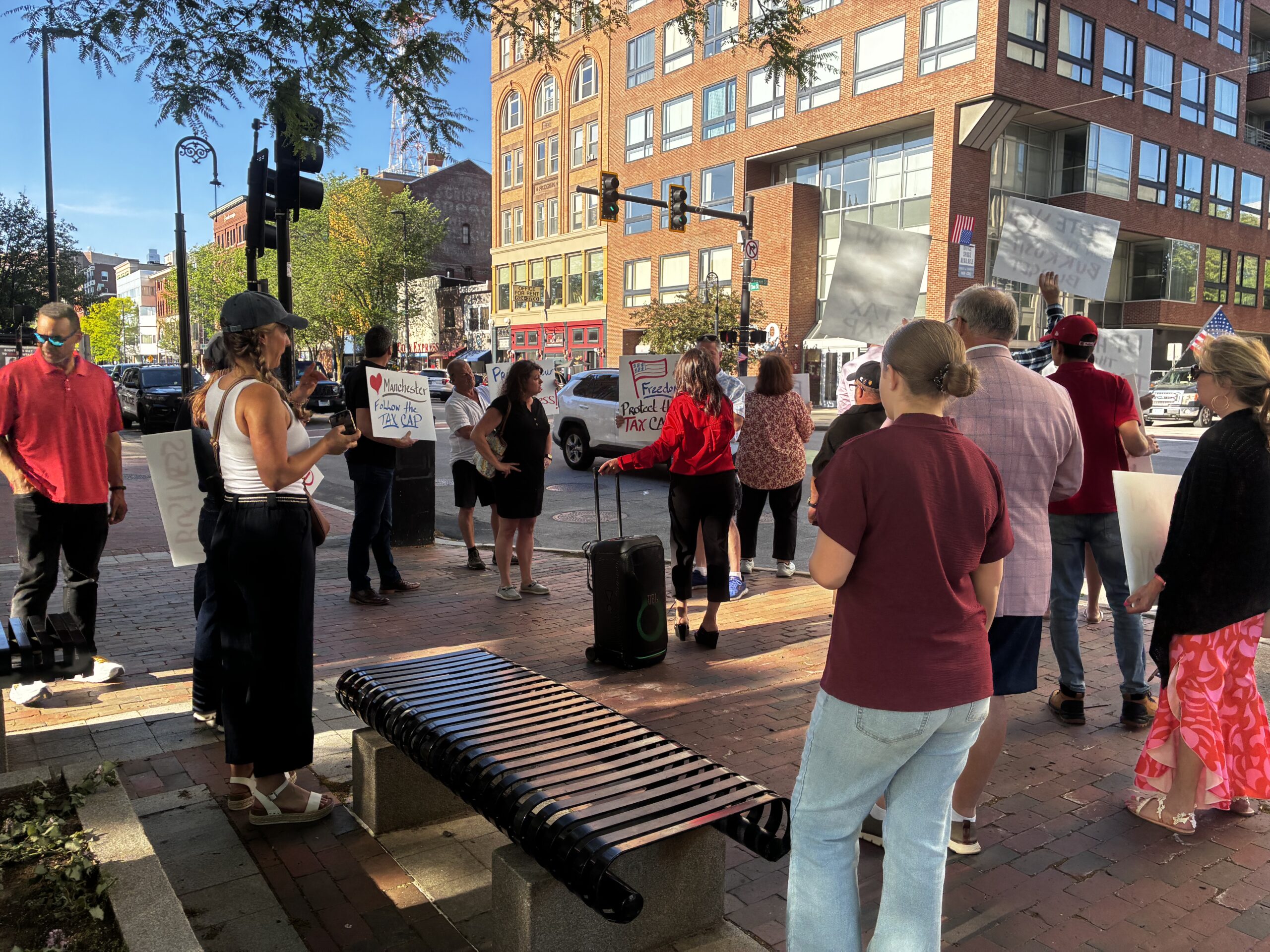
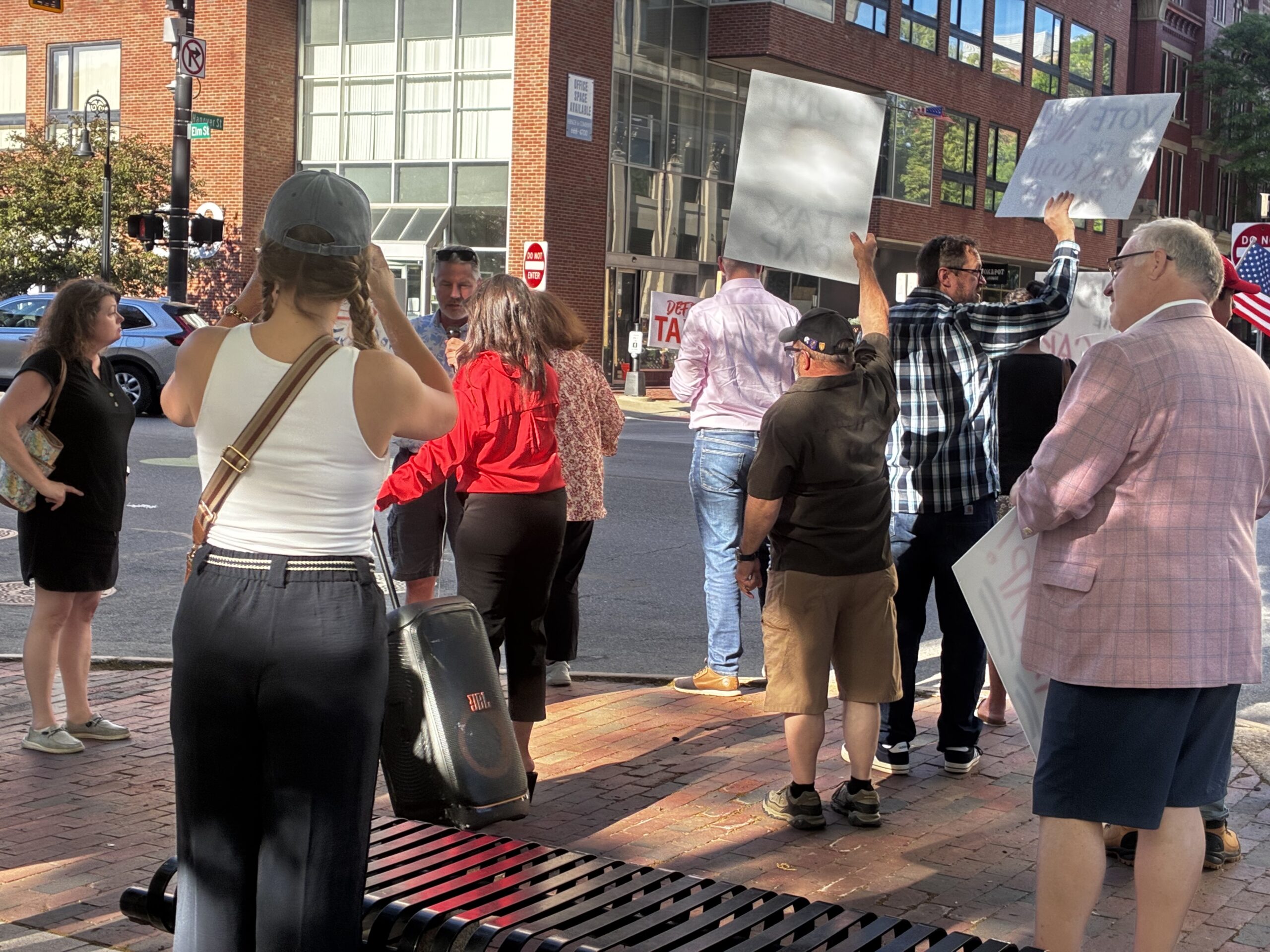
Dozens turn out for rally at City Hall to support the tax cap
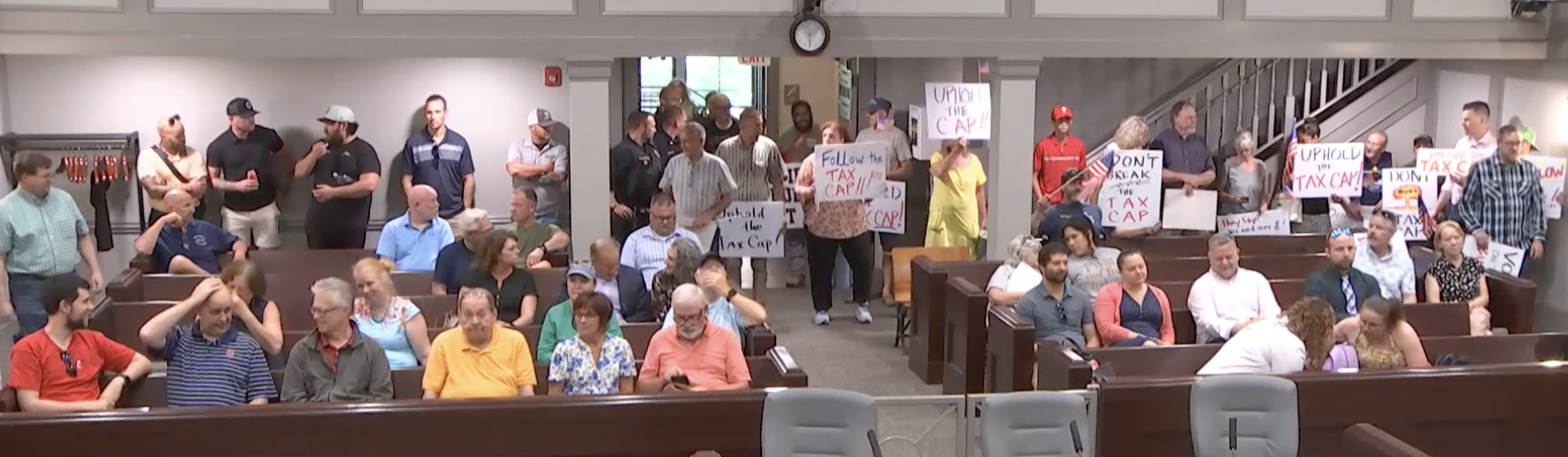
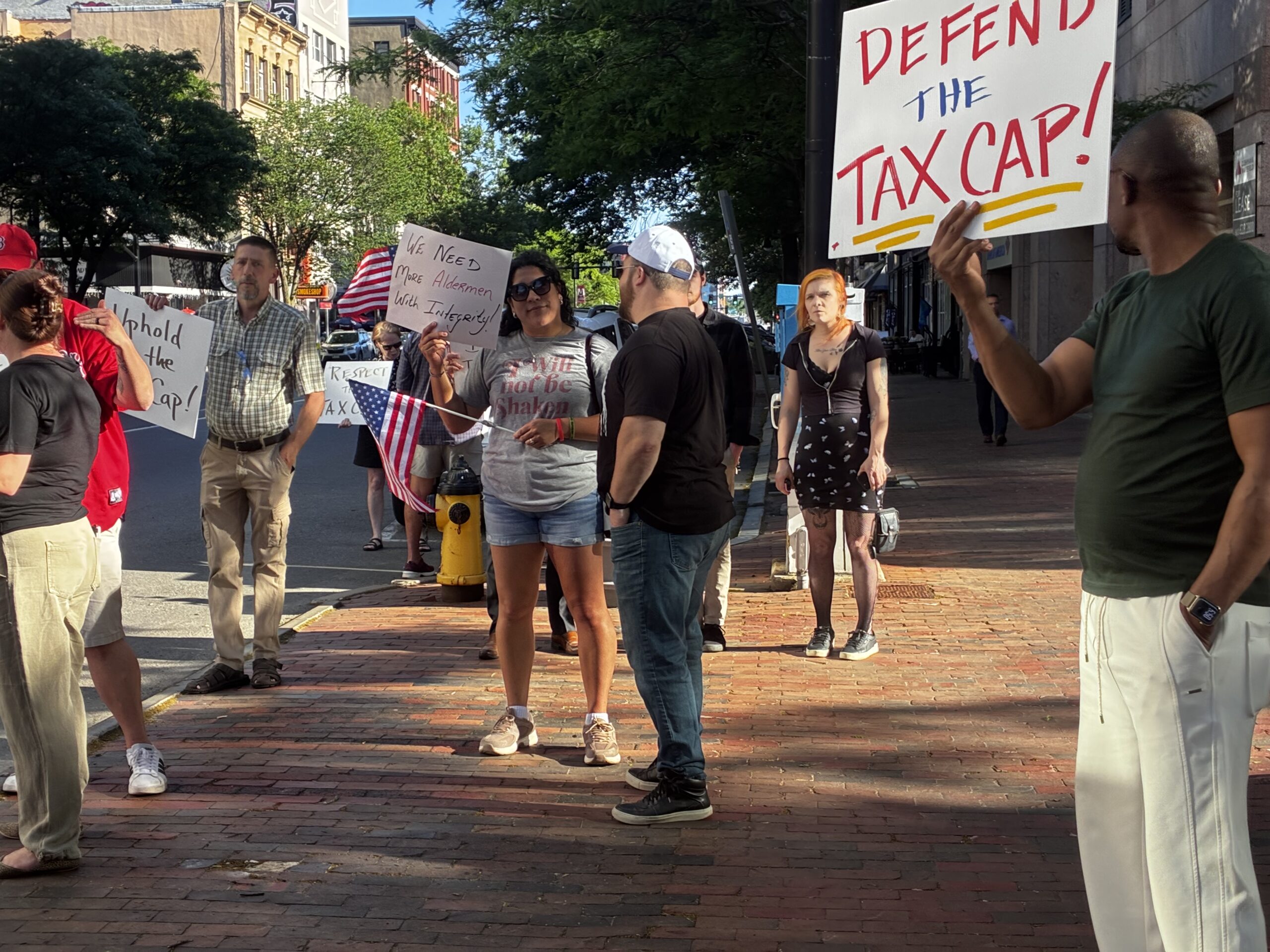
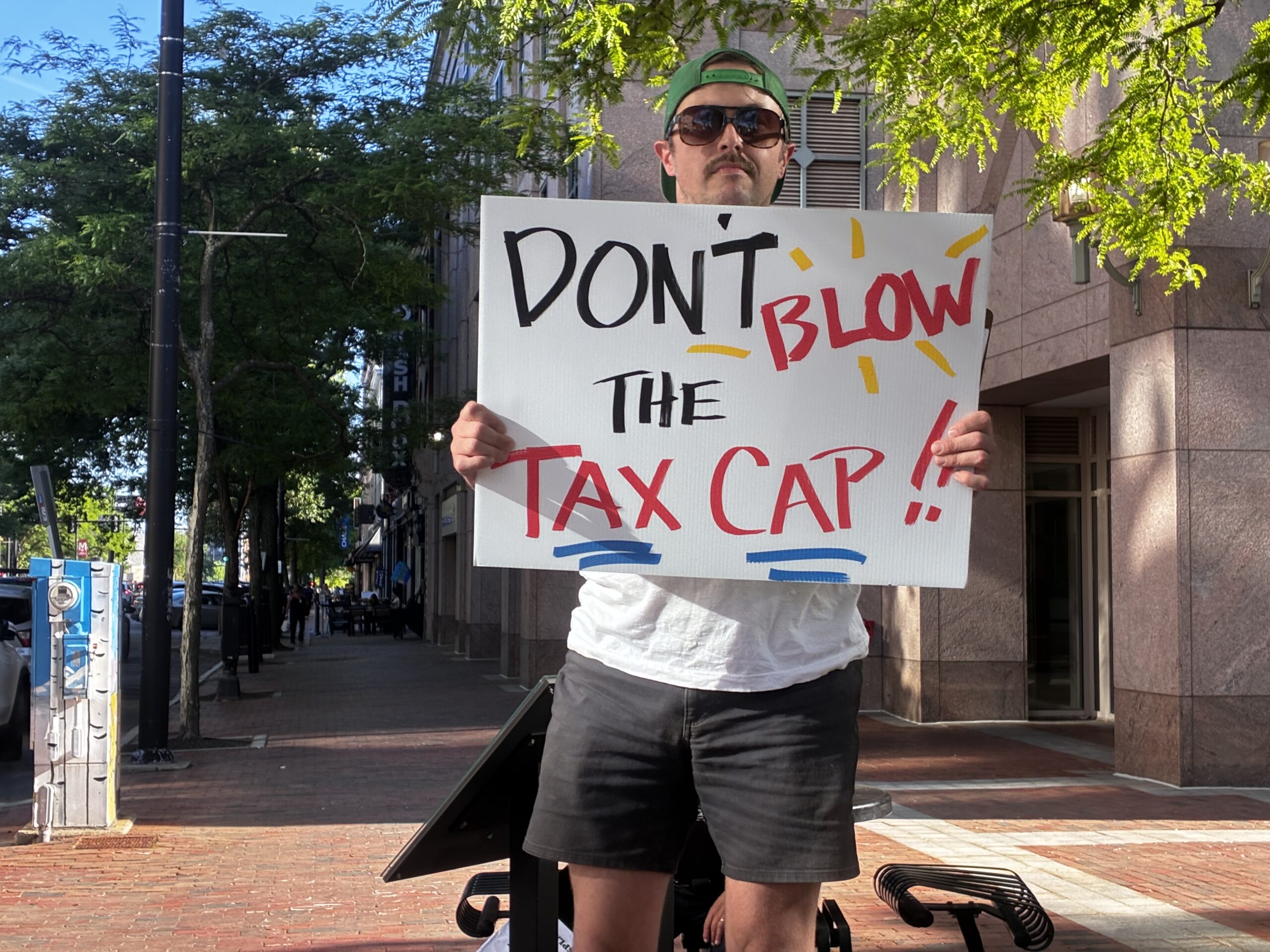
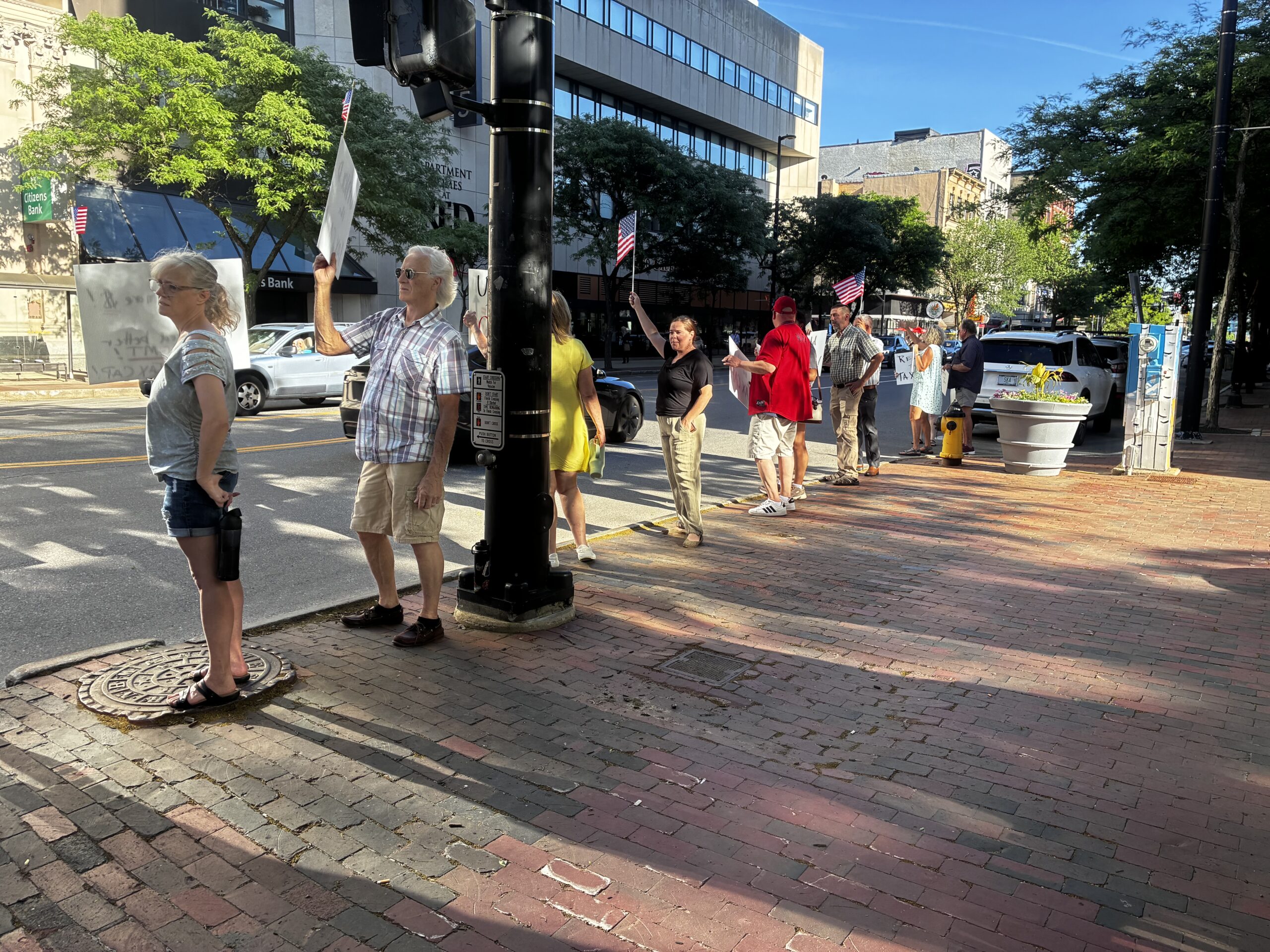
Starting at 5:00 o’clock, dozens of Manchester taxpayers turned out to support the tax cap. They held homemade signs, waved at passing cars, many of which honked their approval in return, gave speeches in support of the tax cap and chanted their support for the tax cap as aldermen entered City Hall. Just before the meeting started, they flooded into the Aldermanic Chambers on City Hall’s third floor, filling the gallery.
During the meeting, they often cheered and applauded statements made by Sapienza and Kantor. They also guffawed or jeered statements from Trisciani, Bonilla, Burkush and Ruais, who was quick to call on them to settle down. Spectators demanded that the aldermen speak into their microphones because it was hard to hear what they were saying. While Ruais said their mics were on and that the aldermen were speaking into them, the only person who could be easily heard in the chamber was City Clerk Matthew Normand.
Past and present leaders of the teachers’ union were also present, along side what appeared to be police union representatives. School board members Cindy Stewart and Gary Hamer were seen in the chamber and were among those celebrating the passage of the Democratic budget at Strange Brew following the meeting.
Public comment is generally not allowed at special meetings of the board, though it is not prohibited. Ruais did not reply to requests asking for an item to be placed on the agenda to allow the public to speak.
Click here to watch the meeting.